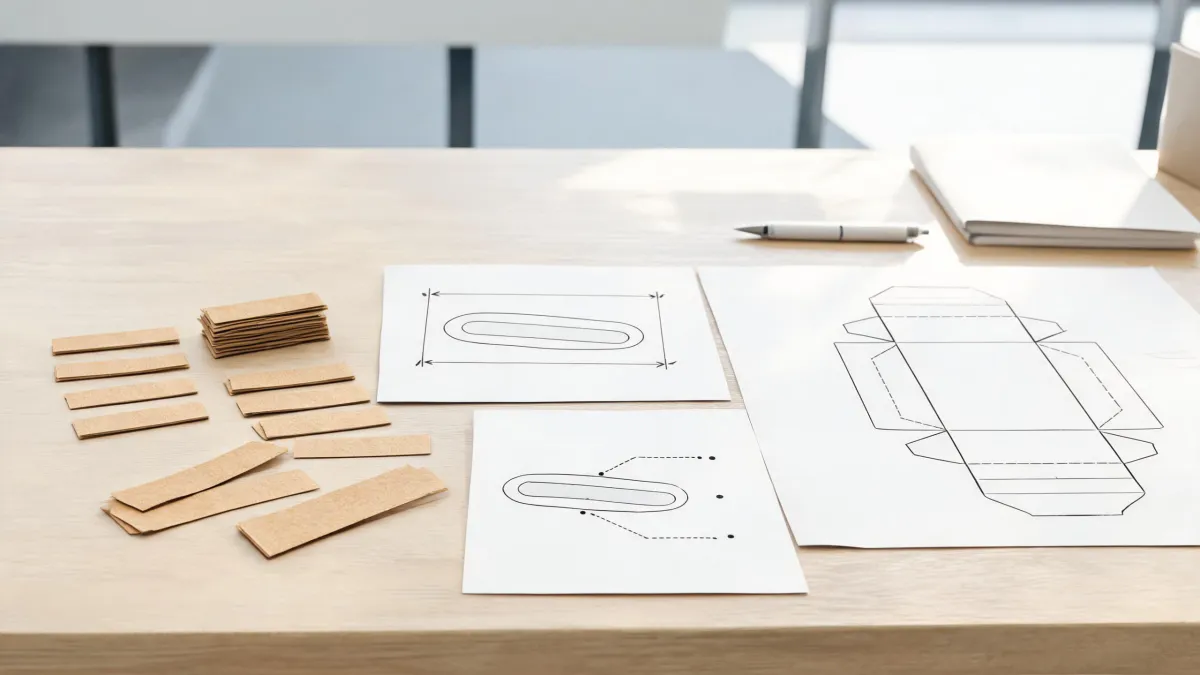
Suppose two households order the same magnetic nasal band in the same week. On night one, one buyer sleeps through and barely touches the strip again until morning. The other ends up in an emergency department at two in the morning, explaining what was on the nightstand. Same product, same packaging, opposite outcomes, and the noses had nothing to do with it. In the first house, somebody asked before checkout who actually lives there: who is under five years old, and who carries metal inside their body. Nobody asked that in the second house.
The warning discussed here comes from the manufacturer's help page for Intake Bands and Tabs, one named series and one version of that page, and it is not a statement about magnetic nasal products in general. Magnet size, magnet count and housing differ from product to product, so the claims stay tied to the series they came from. What that page does say is blunt enough to reshuffle a purchase most buyers make on airflow and comfort: for a household with a child under five or a resident with a metal implant, the swallowing warning is the deciding document, not the airflow rating.
Two First Nights With a Magnetic Nasal Band
Night one is where a magnetic nasal band either settles into a routine or becomes a small argument with your own face. In the version that works, the strip goes on flat, the position holds, and by morning the wearer has stopped thinking about it. In the version that doesn't, the strip slides out of position, gets re-seated more than once, and by the small hours it is on the sheet. The variable is fit and position stability at the bridge, and no magnet strength compensates for a strip sitting slightly off where it needs to sit. Getting it right on the first night cuts the number of re-adjustments, which is the only way the airflow benefit you paid for covers a whole sleep instead of the first stretch of the night.
That first night also produces the overconfidence. A strip that holds well feels safe, and the better it holds, the less likely anyone reopens the warning page. The hazard written down for this product does not involve the strip falling off a nose, though. It involves a loose magnet in a house where a small person or a metal implant is within reach, which is why the placement question and the household question have to be answered separately.
What the Magnet Warning Asks You to Check
The manufacturer's wording is short. The Intake Band contains small magnets, and magnets sticking together, or becoming attached to a metallic object inside the human body, can cause serious or fatal injury. The same page adds a second line: seek immediate medical help if magnets are swallowed or inhaled. Read together, those sentences move the risk out of the nose entirely. The failure is not a magnet too weak to hold; it is a loose magnet meeting a second magnet, or meeting metal that is already inside someone.
So the pre-order checklist changes shape. Airflow, comfort and sleep scores describe the strip on a face through a night. The warning describes the strip off the face, inside a house, for the rest of the day. The question worth answering before checkout is who lives here and what is inside them, and it takes only a moment to answer honestly.
The First Week Habit That Keeps Magnets Out of Reach
Nothing in the manufacturer's material tells you how to store the thing, so treat what follows as household habits rather than requirements. During the first week, one workable habit is a single landing spot, a closed drawer or a small lidded container, used whenever the strip comes off. Not the nightstand, not the pillow, not the bathroom shelf where it can be knocked behind something. One fixed location means one place to check when a magnet goes missing, and a stray magnet is the exact object the warning is about.
A second habit costs almost nothing. On removal, look at the magnet or magnets and confirm nothing has come loose. A dislodged magnet gets found that night instead of turning up in a carpet weeks later with nobody able to say when it left the housing. The third habit is classification: this is not an object to leave where hands wander. A strip handled like a toy is a strip being handled by the wrong hands, and the whole purpose of the first week is to stop the thing from drifting through the house.
Why the Age Line Sits at Five Years
The age line for this series reads: not to be used on children under 5 years of age unless a physician has been consulted. Five years is tied to Intake Bands and Tabs and to that page. Another brand's magnetic strip may look identical in a product photo and carry different magnets in a different housing, and there is no basis for moving this figure onto it.
In a house with a toddler, the line changes who makes the decision. The question stops being whether a strip will stay on a small nose and becomes who is watching while it is on and where it goes the moment it comes off. It also states something easy to overlook: an adult's strip is a household object. It comes off at night, it gets set down on a surface, and it sits at exactly the height a small child reaches without thinking.
One Month Later, Decide With a Stop Rule
Suppose one month later you are deciding whether the strip stays. Three plain signals are worth acting on. You re-seat it every single night, which means placement never became automatic and the airflow gain is being spent on fiddling. You have started skipping nights, which means the routine is losing to friction. Or you only remember the strip exists when you take it off, which means it is not doing a job you can name. Each signal points the same way: the product is not earning its place, and pushing harder will not change that.
Here is the blunt read on a month of use. For most adult buyers in a house with a child under five or a resident carrying metal implants, the honest reason to keep the strip is not that the airflow convinced anyone. It is that nothing else in the drawer is less trouble to use. That is a real reason, and it is a convenience reason, and convenience does not survive the warning above. The conclusion flips under one condition: no young children at home, nobody with an implant, and the wearer genuinely used it every night for the month. In that house the magnet language becomes a storage and handling matter, and airflow gets to be the deciding question.
What This Warning Says About Other Magnetic Bands
This warning covers Intake Bands and Tabs, for the version of the help page it was published in, and it stops there. It cannot tell you that a competing magnetic strip carries the same magnets, the same count, or the same retention design, because none of that is in the text. That gap is not a reason to assume the other product is fine; it is a reason to ask.
Two questions, put to any other seller before ordering. Does your own warning name this specific model, and does it tell the buyer what to do if a magnet is swallowed or inhaled? A seller who answers both in writing has handed you something you can check against the product page. A seller who returns a generic safety paragraph has answered neither, and that non-answer tells you how carefully the product was documented.
The One Check Before You Order
Before you order, confirm one item: whether anyone in the household is under five years old, or has a metal implant in the body. Everything else on the product page is secondary to it. That single check outranks every airflow chart and sleep rating on the page, because the manufacturer's own warning puts it in front of you and because no volume of customer reviews answers it. Reviewers describe their own noses and their own houses, not yours. If the check comes back clean, order the strip and handle it by the first-week habits. If it does not, the strip is not a checkout decision at all: the under-five rule points you to a physician first, and an implant at home is a question for the clinician who manages it before anything gets ordered.
